


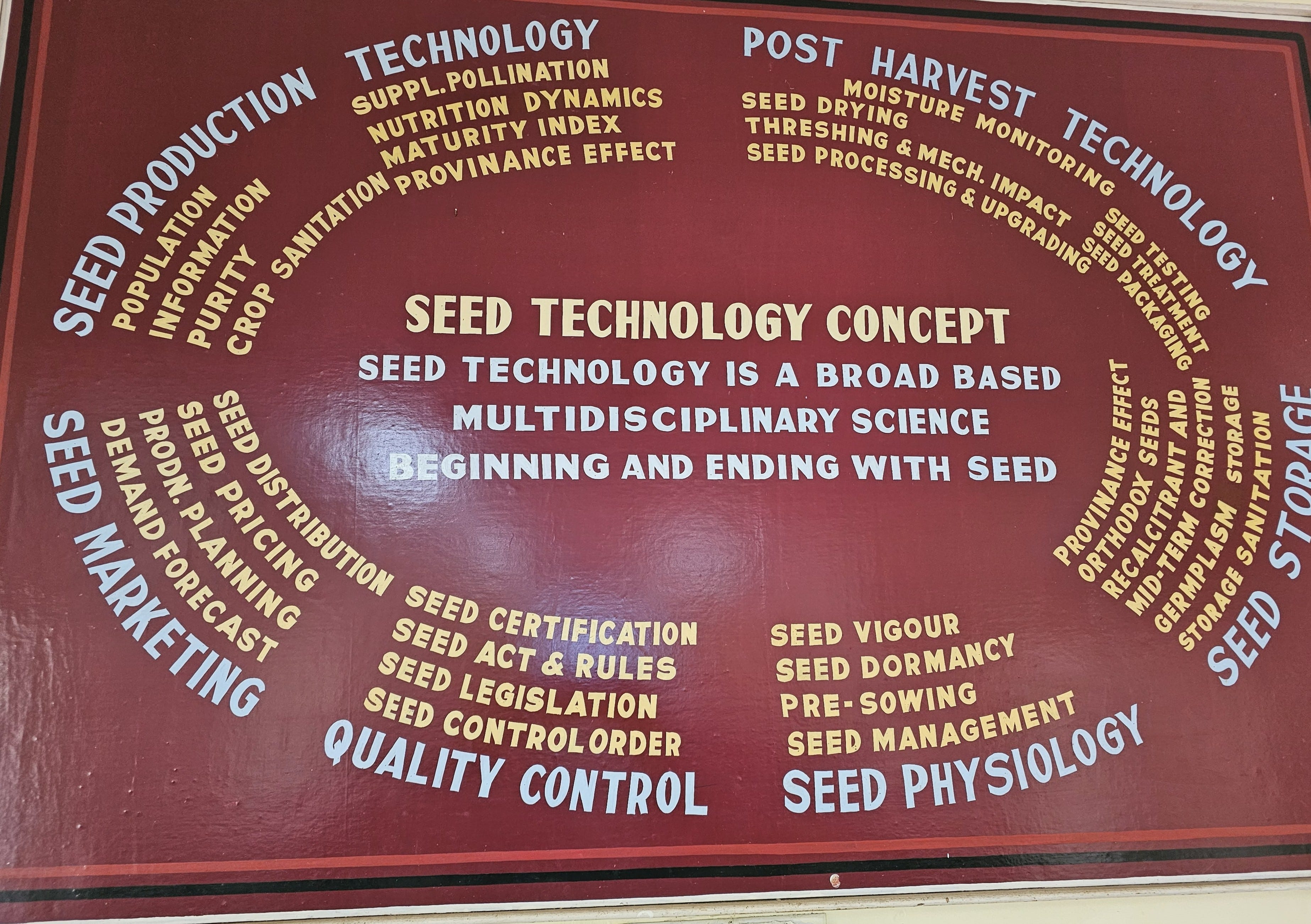
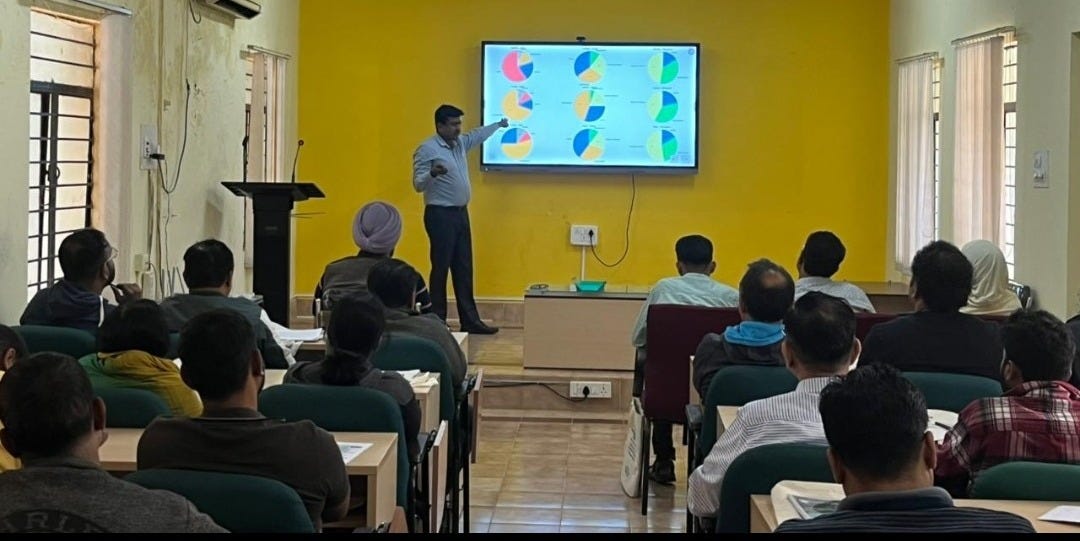
Witty University of Agricultural Sciences, Bengaluru (UAS, B) National Seeds Project Director Dr. Sharat Sharan urged over 40 diverse participants—though only 35 were planned—to own the process of bridging nutrition deficiencies. He and his team laid out key areas effectively during the one-day training program at UAS Bengaluru on December 13, 2025, underscoring the hunger for such expert-led sessions.
Firstly, I recommend this program to anyone dabbling in microgreens as a hobby or scaling bigger.
Microgreens:
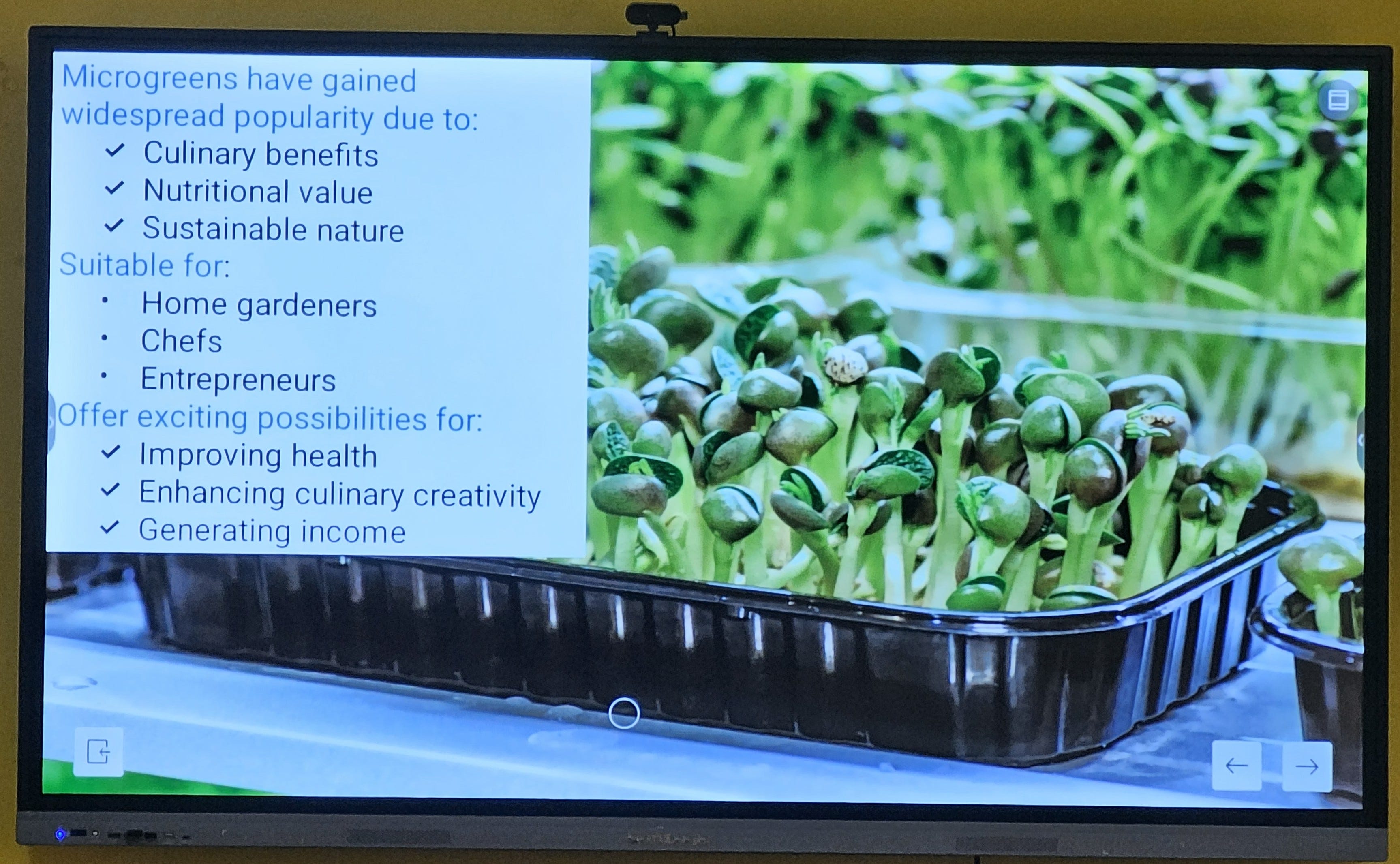
I have to admit without my spouse educating me, I would have lived under the assumption that microgreens and sprouts are the same! Table below helps bring out the nuance.
Without summarizing or trying to review the training, jotting down points that resonates.
Recommendation of up to 40 grams per day of microgreens for adults. About half of it to kids below 18 and elders above 60. Best to take your doctors advise to adjust portion size.
Not all fruits, veggies are suitable as microgreens. E.g. eggplant, potato is NOT suitable.
Microgreens are for all ages to address nutrient deficiency. It’s not a supplement to proteins or carbs.
Microgreens are not necessarily medicinal i.e. it might not cure an ailment that we already carry.
Budget to set-up is not high. If intention is to scale, then go-to-market and building a subscription model is important.
Tending to microgreens is not a steep hill with regards to skills. Nuances of handling seeds and growing medium can be the secret sauce.
Growing Medium:
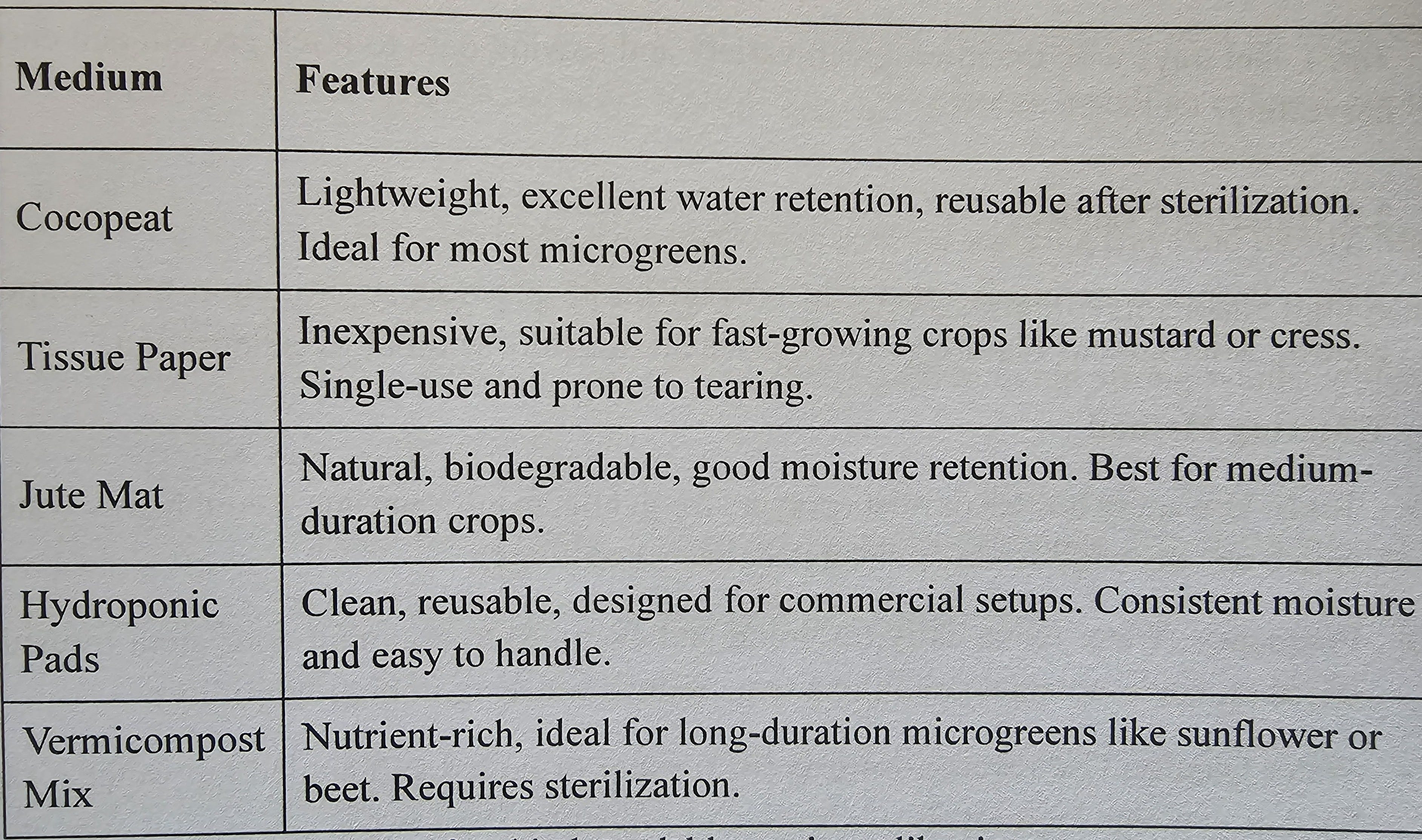
Handout from the UAS Bengaluru microgreens workshop outlining different growing media options—from cocopeat and tissue paper to jute mats, hydroponic pads, and vermicompost mixes—and their suitability for various crop durations and setups.
Seeds:
To state the obvious, seed selection is of utmost importance. Two factors that Dr Sowmya emphasized are: seed vigor and vitality.
Learnt about the importance of reading the seeds packaging label to grok aspects like germination rates, chemical treatment, if any.
Seed Priming is another important factor that Dr Sowmya spent time to clarify to the participants.
Morning’s session was capped by Dr Manjunath speaking on Fungi and their impact on seeds and growing medium. This session and seeds priming session are best to be absorbed as in-person session. Rather than me trying to extract a summary. Just would like to add, that both their sessions were not too geeky or nerdy.
Post lunch sessions were shared between Dr Bhuvana Sharma, Dr Sharat Sharan and Rajender Satyanarayana, Founder of Agrowvitz. Ahead of the hands-on session by Dr Vishwanath, the UAS team managed to handover certificates to all participants.
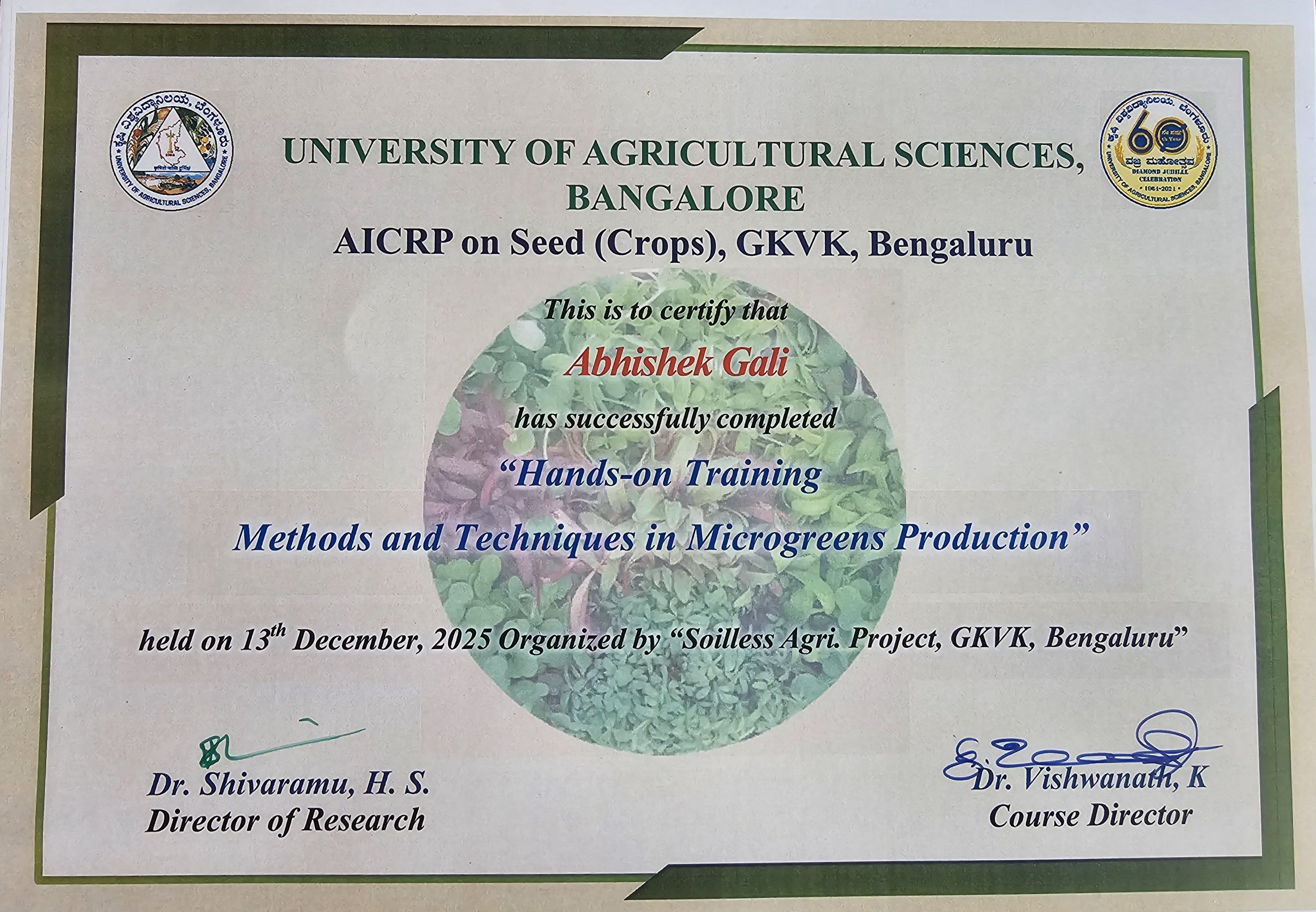
Hands-on Training in Microgreens Production certificate from the University of Agricultural Sciences, Bangalore, marking completion of the GKVK program on 13 December 2025.
Training wrapped with a walk around of the massive hydroponics facility and some networking.
Overall, we felt it was a day well spent. The content and experts who delivered them came across very approachable. Even being open to consultation over WhatsApp as we progress in our endeavors. Not to forget, each participant carried home their own grow tray with the cocopeat and seed broadcasting done under the watchful eyes of Dr Vishwanath. Only wish, that there was a microgreens/hydroponics reads seeds that we could purchase!
Keen to start? Comment for program details—UAS experts are WhatsApp-ready.